Woks occupy a novel space inside the kitchen. They’re no longer simply pans; they’re vessels for top-warmness drama, smoky aromas, and quick, transformative cooking. If you’ve stood in front of a stovetop, agonizing between the heft of solid iron and the lighter touch of carbon metallic, you recognize this just isn't a trivial resolution. The subject matter you go with shapes your stir-fries and your muscle memory. Let’s explore how weight guidelines the stability between solid iron and carbon metallic woks—and why that matters greater than most know.
The Feel in Your Hands
When you first select up a wok, it’s no longer the shiny advertising reproduction or fashionable curves that make an impact—it’s the load. A elementary 14-inch cast iron wok can tip the scales at 8 to twelve kilos earlier you even upload oil or veggies. By distinction, a same-sized carbon metallic wok commonly weighs between 2 and four kilos.
This distinction is instant when you test tossing delicacies over high warmness. Even seasoned chefs with strong wrists will to find steady tossing—and particularly single-passed stir-frying—user-friendly with carbon metallic. Cast iron calls for extra capability, %%!%%c9a36ba8-1000-4064-84d6-2077b3f90b59%%!%% requiring two fingers for risk-free maneuvering. For a few abode cooks, tremendously those with smaller palms or less top physique energy, this contrast on my own makes the selection apparent.
Heat: Retention vs Responsiveness
Weight isn’t basically handling; it in an instant influences how a wok behaves below fire.
Cast iron excels at holding onto heat. Once hot, it remains scorching. That’s why seared steaks enhance such high-quality crusts on forged iron skillets—the identical theory applies to woks. In apply, this means that a cast iron wok can chronic simply by bloodless substances with out losing temperature too immediately. However, it additionally method slower preheating (be expecting a few mins for the wok to return as much as temperature) and sluggish cooling when you overshoot.
Carbon steel is nimble by way of evaluation. It heats rapidly and cools very nearly as rapid whilst got rid of from the burner or uncovered to chilly sauces. This responsiveness affords knowledgeable chefs tight management over browning, stir-frying, or speedy preventing cooking after including mild constituents like scallions or eggs.
In my very own kitchen, I reach for carbon metallic when I need to transport directly—assume flash-cooked greens or scrambled eggs with scallion oil—even as I delight in forged iron for gradual-braised Chinese pink-cooked beef or dishes the place residual heat helps end off thicker cuts.
Stir-Fry Technique: Tossing and Turning
The conventional Cantonese process contains lifting and shaking the wok with one hand at the same time shoveling materials with a spatula within the different. Carbon metal’s lightness makes this action it is easy to for extended periods with out fatigue.
If you might have ever watched a skilled chef at a Chinese restaurant, their woks are regularly neatly-worn carbon metal types. These chefs toss cuisine persistently, developing “wok hei”—that elusive smoky flavor prized in Chinese cooking—through exposing materials to extreme warm and open flame for simply seconds at a time.
Try this for your self: carry each sorts of woks when empty, then repeat when loaded with part a pound of chicken and chopped veggies. Cast iron right now appears like a exercise; carbon metallic feels like an extension of your arm.
For dwelling house chefs with gasoline burners that don’t rival restaurant BTUs, this agility topics even more. You’ll have faith in short flow to restrict sticking and be sure even searing.
Seasoning: Building—and Keeping—a Nonstick Surface
Both constituents enhance nonstick traits because of seasoning—a course of of polymerizing oil on their surfaces—but their weight differences how seasoning behaves everyday.
A heavy forged iron wok with thick partitions keeps hot spots longer, so seasoning layers have a tendency to accumulate thicker and usually patchier if now not cared for closely. It’s a great deal more difficult to eliminate cussed buildup on forged iron simply considering that scrubbing such a heavy pan is awkward, surprisingly with two arms required to cope with the burden.
Carbon metal’s thinner partitions suggest seasoning layers are in many instances thinner but more uniform in the event you take time to swirl oil frivolously all over preliminary seasoning. Maintenance could also be less taxing bodily. If seasoning flakes or will get sticky, scrubbing down a lightweight pan is short work.
Over years of use, I’ve came across my carbon steel woks improve a smoother patina with much less elbow grease required for maintenance as compared to their heavier cousins.
Durability: Taking Abuse in Stride
The repute of cast iron for longevity is legendary: drop one on tile, and you hazard cracking your flooring sooner than dangerous the pan. However, its very weight may be a legal responsibility if it slips from your take hold of or collides with any other pot.
Carbon steel woks are more forgiving if dropped—dents are one could however cracks are rare. Their lighter build additionally makes them less doubtless to chip counter tops or feet if an accident happens. In restaurant settings where speed is paramount, this has simple effects: a cook dinner who wishes to swap woks without delay gained’t hazard injury or disaster with carbon steel.
Over time, equally pans can last many years with remarkable care. The simply caveat: carbon metal can warp if left empty on excessive warm too long, when forged iron can crack from sudden thermal surprise (like rinsing a scorching pan lower than bloodless water).
Cooking Styles: Matching Material to Dish
Not each and every recipe benefits similarly from either textile. Here’s the place journey comes into play.
Certain Southern Chinese dishes—like dry-fried eco-friendly beans or instant-seared pork—are premier done with a light-weight carbon metal wok that responds instantly to warm alterations. You would like speedy evaporation, fierce sizzle, and minimal sticking.
Dishes that want secure, average warm—suppose simmered tofu with black bean sauce or Mapo Doufu—can advantage from forged iron’s resilience opposed to temperature drops whilst cold sauces are added.

I once attempted smoking tea leaves in either kinds of woks for tea-smoked duck: The forged iron stored smoke billowing longer yet became more difficult to easy afterward as a result of tar developed up alongside heavy sizzling spots; carbon steel misplaced heat faster however became less difficult to wipe sparkling whereas nonetheless hot.
Stove Compatibility: Gas, Electric, Induction
The sheer mass of solid iron helps it sit firmly on flat electric powered cooktops however may also be unwieldy on smaller gas burners where maneuverability concerns such a lot. On induction stoves, equally constituents paintings in the event that they have flat bottoms; some common circular-bottomed woks can also wobble or no longer make complete contact except paired with an induction-suitable ring.
If you flow %%!%%c9a36ba8-one thousand-4064-84d6-2077b3f90b59%%!%% or cook outdoors over open flames (I’ve hauled my carbon steel wok to garden barbecues extra times than I can depend), portability favors carbon metallic anytime.
Price Points: Does Weight Cost More?
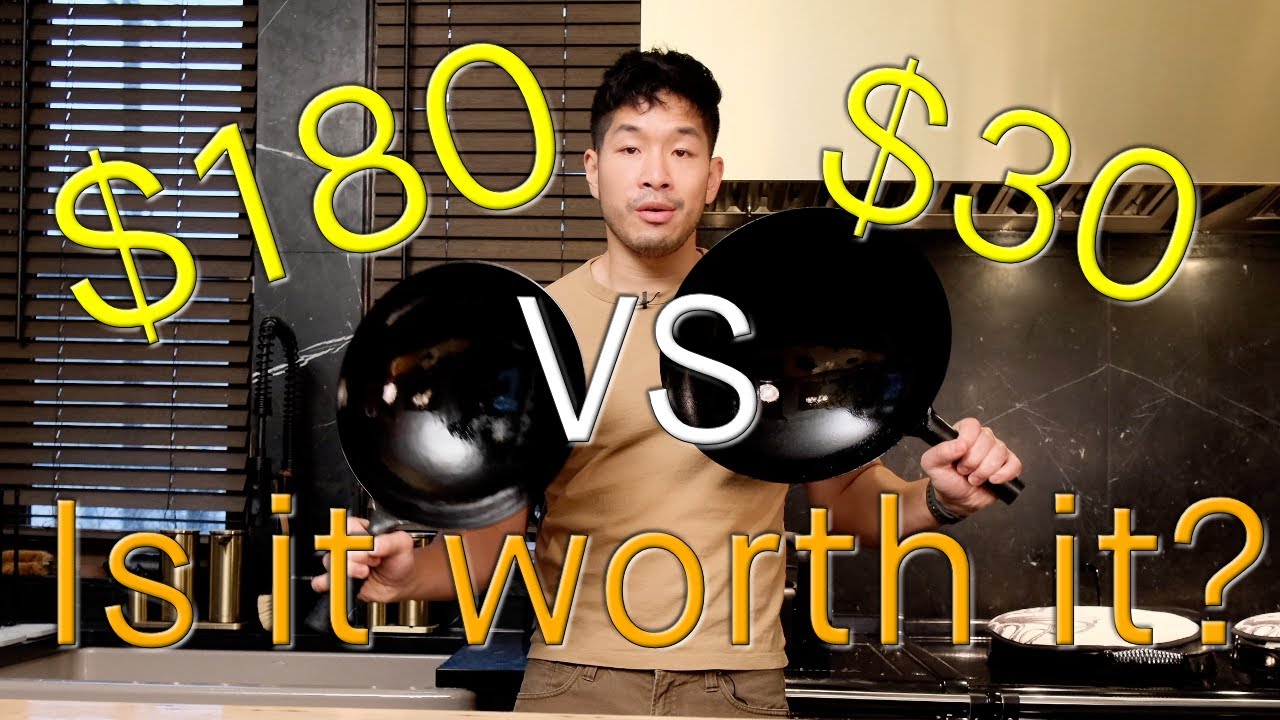
A caliber cast iron wok %%!%%c9a36ba8-one thousand-4064-84d6-2077b3f90b59%%!%% expenses barely greater than a comparable carbon steel adaptation, partially via raw textile rates and delivery heavier items. Expect access-level costs around $30 for classic carbon metallic woks, hiking to $eighty or extra for top class manufacturers like Joyce Chen or hand-hammered items from China. Cast iron woks largely jump around $40 and achieve $one hundred twenty or upper for enameled or artisan-made portions.
However, rate modifications speedily fade when measured against years—normally many years—of use. Many dwelling house cooks inherit woks from dad and mom or grandparents; my circle of relatives’s battered carbon metallic pan https://andrejkys982.raidersfanteamshop.com/cooking-with-cast-iron-vs-carbon-steel-woks-a-detailed-comparison has outlasted practically each and every nonstick skillet we ever owned.
Cleaning Up: After Dinner Realities
No remember how completely nonstick your wok turns into, cleanup is inevitable. Here’s in which weight again makes itself acknowledged.
After a protracted night cooking for visitors, even mighty palms tire of hoisting a heavy solid iron pan to rinse below the tap. Scrubbing sticky sauces out of crevices at the same time as balancing such bulk over a sink side is also awkward at exceptional—and downright unstable if moist hands lose their grip.
A carbon metallic wok rinses sparkling with little effort, requiring purely scorching water and per chance a soft sponge if bits stick. Its lightness ability much less strain on wrists and no worry of dropping it mid-cleanup.
For someone with restrained space or mobility subject matters, those modifications remember every single day.
Edge Cases: When Cast Iron Wins
While plenty of up to date recommendation leans closer to carbon metal for familiar stir-frying, there are moments when solid iron shines accurately with the aid of its heft:
- Deep-frying: The mass stabilizes oil temperature after adding chilly foods. Tabletop scorching pot: Retains heat longer off direct warmness. Bread baking: Some use extensive forged iron woks inverted as dome-fashioned baking cloches. Outdoor hearth pits: Stands as much as direct coals larger than thinner pans. Smoked dishes: Maintains low-and-gradual temperatures for accelerated periods.
In these situations, what feels burdensome all the way through quick-paced cooking becomes an asset all through slow techniques.
Comparing Cast Iron Wok vs Carbon Steel: Quick Reference Table
| Factor | Cast Iron Wok | Carbon Steel Wok | |-------------------|------------------------------|---------------------------| | Weight | Heavy (eight-12 lbs) | Light (2-four lbs) | | Heat Retention | Excellent | Moderate | | Heat Responsiveness| Slow | Fast | | Seasoning | Builds thickly | Builds uniformly | | Handling | Two fingers %%!%%c9a36ba8-a thousand-4064-84d6-2077b3f90b59%%!%% wished | One hand happy | | Durability | Chip/crack hazard from surprise | Can warp yet hardly cracks| | Price | Moderate to prime | Affordable to moderate | | Cleanup | More effort | Easy | | Best for | Deep-frying, gradual braises | Stir-frying, speedy sears |
Tips for Making Your Choice
Choosing among solid iron and carbon metal comes right down to sincere mirrored image for your cooking habits, actual alleviation, and kitchen setup. Here are five questions valued at keen on:
How %%!%%c9a36ba8-1000-4064-84d6-2077b3f90b59%%!%% do you intend to toss or stir-fry vigorously? Do you may have higher body strength problems or wrist suffering? Is your common range fuel, electrical, or induction? Do you prepare dinner dishes requiring lengthy, stable warmness retention? How a good deal attempt are you inclined to spend on maintenance?Answering those questions without a doubt will assist so much chefs in the direction of their perfect pan devoid of remorseful about.
Voices From Real Kitchens
In New York’s Chinatown restaurant kitchens, battered carbon metallic woks dominate for natural pace and keep watch over. In my circle of relatives’s home kitchen, an ancient solid iron wok holds pleasure of situation for Sunday hot pots—a nod to our roots in northern China, wherein shared foodstuff linger and heat lingers longer nonetheless.
One friend with arthritis in her fingers reluctantly gave up her grandmother’s cast iron pan for a smooth carbon steel type after one too many spills—she now stirs readily and says she cooks extra %%!%%c9a36ba8-a thousand-4064-84d6-2077b3f90b59%%!%% as a result. Another chef I comprehend swears by way of his classic solid iron wok for Sichuan dry-braised dishes since it “just feels properly” after a long time of use.
These experiences underscore what issues so much: your pan should always suit your life, no longer simply your recipes.
Final Thoughts: Weight as More Than a Number
The preference among solid iron and carbon steel woks runs deeper than materials technology or culinary custom. Weight influences every moment from prep to cleanup—no longer solely how good meals chefs yet also how %%!%%c9a36ba8-a thousand-4064-84d6-2077b3f90b59%%!%% you reach for the pan within the first location.
If doable, take care of both varieties in man or women formerly shopping for. Trust your instincts about what feels right to your fingers and suits your routines. There is not any commonly used winner—most effective what works top of the line for you, night time after evening, as dishes sizzle and smoke rises out of your own range.