Stir-frying over a roaring flame, tossing glistening veggies and fragrant garlic, is among the small joys of a domicile kitchen. That signature sizzle and smoky flavor - wok hei, as the Cantonese call it - depends on equally warmth and the pan itself. Most domicile chefs attain a crossroads in some unspecified time in the future: cast iron wok or carbon steel? The debate isn’t with regards to subculture or aesthetics. It’s approximately functionality, repairs, and the way every single textile shapes the foodstuff you serve.
Why this subjects for dwelling cooks
The wok is greater than a vessel. It’s a culinary instrument, a conduit for high warmth and fast motion, and a centerpiece for family-form eating. Picking the inaccurate wok can imply frustration - heavy lifting, cuisine sticking, asymmetric warm. Choose correctly, and also you’ll breeze by way of stir-fries, pan-fried dumplings, or even deep-fried treats. The solid iron wok vs carbon metallic determination is about matching your cooking sort and kitchen actuality.
The nature of every material
Both cast iron and carbon metallic are alloys, in general iron with a small share of carbon. The nuances lie in how they’re made.
Cast iron woks are customarily thick and heavy, made by pouring molten iron into molds. This gives them a country, very nearly indestructible good quality. They retain warmness for a long time but take longer to heat up. In China, forged iron woks routinely have thinner walls than Western skillets - however even then, the heft is unmistakable.
Carbon steel woks soar as skinny sheets pressed and hammered into form. They are light-weight (occasionally 1/2 or much less the load of cast iron), and conductive, responding speedy to ameliorations in burner depth. This is why knowledgeable kitchens almost forever attain for carbon steel: speed and agility topic once you’re firing distinct dishes a night.
How each and every wok feels in use
Imagine reaching for your wok to toss a medley of pea shoots, red meat stomach, and chilies over a top flame.
With a cast iron wok, you’ll detect the solidity all of a sudden. The pan needs admire - it’s no longer a thing you flick approximately one-handed until you’ve been doing this for years or have forearms like a blacksmith. But as soon as sizzling, it retains a good temperature throughout its surface. That’s a boon for deep frying or slow braises; less so for those who favor to tilt and swirl the pan mid-stir fry.
A carbon steel wok feels nimble via evaluation. Even in larger sizes, that you can elevate it off the burner and carry out that traditional chef’s wrist-flick to tumble noodles or vegetables. It heats up swift - 5 mins on a effective flame brings it to searing temperature - yet loses heat briefly in the event you overload it with cold substances.
Seasoning: Not simply an afterthought
Both kinds require seasoning - a process in which oil is baked onto the metallic to create a natural and organic nonstick floor and take care of opposed to rust. The manner is identical however no longer equal.
Cast iron’s rougher surface texture allows seasoning layer up fast. After just two or three rounds of oiling and baking, you’ll become aware of a dark patina forming. That mentioned, its porousness means it would absorb flavors more deeply. If you ever scramble eggs after stir-frying fish, don’t be amazed if a few residual aroma lingers.
Carbon metallic starts off out silver-gray and slicker. It takes greater endurance to accumulate a bulletproof nonstick coating - at times a number of months of commonly used cooking beforehand even eggs slide off truly. But as soon as known, carbon steel’s seasoning can become glassy easy.
Realistically, either components desire care: dry competently after washing, steer clear of cleaning soap if one could (a rapid rinse is as a rule satisfactory), and re-oil evenly sooner than storing.
Heat leadership and cooking results
The coronary heart of wok cookery is excessive warmth: wok hei in basic terms develops while cuisine meets temperatures above four hundred°F (204°C). This is wherein both supplies diverge sharply.
Cast iron excels at keeping heat. Drop bloodless protein into a scorching cast iron wok and it received’t cool lots - considerable for searing fowl thighs or red meat slices without crowding matters. However, it additionally takes longer to reply if you want to dial down the temperature all of sudden.
Carbon metallic is responsive: crank up the gasoline and it follows; turn it down and it cools right now. That makes it higher proper for comfortable maneuvers like pausing among batches or switching from excessive-warmth stir-frying to delicate simmering in a single session.
For most residence gasoline burners underneath 20,000 BTUs (maximum are among 8,000-15,000), the two elements can work good enough if preheated accurate. On electric powered stoves or induction cooktops, solid iron’s flat bottom may sit larger on the portion; round-bottomed carbon steel woks more commonly desire precise rings or adapters.
Everyday upkeep: What’s sensible?
Owning a wok isn’t set-and-put out of your mind. Both parts demand occasional awareness beyond seasoning.
Cast iron woks can grow rust spots if uncared for in a single day or left moist after washing. A little salt scrub by and large fixes minor blemishes, however extreme rust can even require stripping down the seasoning wholly and commencing over - tedious paintings ideally suited steer clear off by way of drying immediately and oiling later on.
Carbon metallic has same vulnerabilities however is a little bit much less forgiving owing to its thinness; rust can eat because of sooner if left unchecked. However, considering that https://www.cookwarereviewhub.com/contact/ they are lighter and smaller (often times as thin as 1-2mm), cleansing feels more straightforward every day.
An anecdote from my very own kitchen: I once left both forms out in a single day after a celebration - one damp solid iron wok grew orange freckles alongside its rim; the other (a pro carbon metallic) constructed faint streaks I wiped away with vinegar and re-seasoned quick at the stove.
Durability over years of use
A well-made solid iron wok can remaining generations with minor care - I’ve cooked on person who belonged to my grandmother, its bottom worn tender by way of a long time of flames but nonetheless official as ever. Dropping one would possibly chip or crack it (however that is uncommon except mishandled) caused by its brittleness when put next to metal.
Carbon steel woks not often destroy outright yet can warp if overheated even as empty or exposed to unexpected temperature swings (assume rinsing a flaming-scorching wok below chilly tap water). Their handles may just loosen through the years given that they’re riveted other than cast as one piece; tightening them is straightforward with normal instruments.
Neither cloth fares effectively in the dishwasher - either will lose their seasoning thoroughly and can rust within hours.
Cooking versatility: Beyond stir-fries
Woks aren’t restrained to chow mein or kung pao white meat. Their form makes them applicable for deep frying (use less oil than with directly-walled pots), steaming (with bamboo racks), smoking (with tea leaves or wood chips at the base), or even shallow pan-roasting.
Cast iron shines for initiatives requiring regular warm: frying tofu cubes unless crisp at some stage in or simmering pink-cooked red meat stomach until meltingly soft.
Carbon metallic comes into its possess whilst instant maneuvers are needed: tossing greens at once over excessive warm or cooking fragile seafood where overcooking means crisis.
If you savour making crepes or flatbreads in certain cases, pro carbon steel can double as an impromptu griddle; solid iron works too yet is perhaps more difficult to maneuver for huge sweeps or flips by reason of its weight.
Practical issues: Size, structure, handles
Classic woks are round-bottomed - fantastic for open flames but finicky on flat stovetops generic external Asia. Flat-bottom fashions exist for each elements; forged iron models generally tend to have thicker bases that carry steady on induction stoves or glass cooktops.
Handles are available in two kinds: one lengthy “pao” cope with plus a small loop contrary (Northern Chinese type), or twin loops (“ear” handles) in style in Southern designs. Cast iron woks often have loop handles seeing that full-period handles may be unwieldy at their weight; carbon metal presents more type in view that lighter mass permits for unmarried-handed tossing.
For so much families (feeding 4), a 14-inch diameter works neatly; smaller families may additionally get by way of with 12-inch variations however probability crowding nutrition in the course of stir-fries - which is able to bring about steaming rather then searing.
Edge situations: Who need to prefer which?
If you've got constrained top physique electricity or wrist problems, carbon steel affords much more straightforward dealing with every day. For people that love website hosting warm pot events or deep-frying batches of spring rolls, solid iron’s stability would possibly win out notwithstanding its heft.
Apartment dwellers with finicky smoke detectors may perhaps savour carbon metal’s faster cooling - letting you whip up late-night meals devoid of lingering warm setting off alarms an hour later.
On induction stoves, inspect company thoughts carefully: now not all carbon metallic woks take a seat flush adequate for correct heating until designed exceptionally for flat tops (some brands now offer hybrid bases).

Cost comparisons
In maximum markets, hassle-free hand-hammered carbon metallic woks can charge among $25-$60 based on dimension and branding; bigger-cease types with modern finishes can run $eighty-$a hundred and twenty but provide same overall performance at their middle.
Cast iron woks differ greater widely: imported Chinese fashions may also run $forty-$eighty even as top rate Western brands (like Staub or Le Creuset) fetch $a hundred and fifty-$three hundred attributable to enamel coatings or fashion designer flourishes.
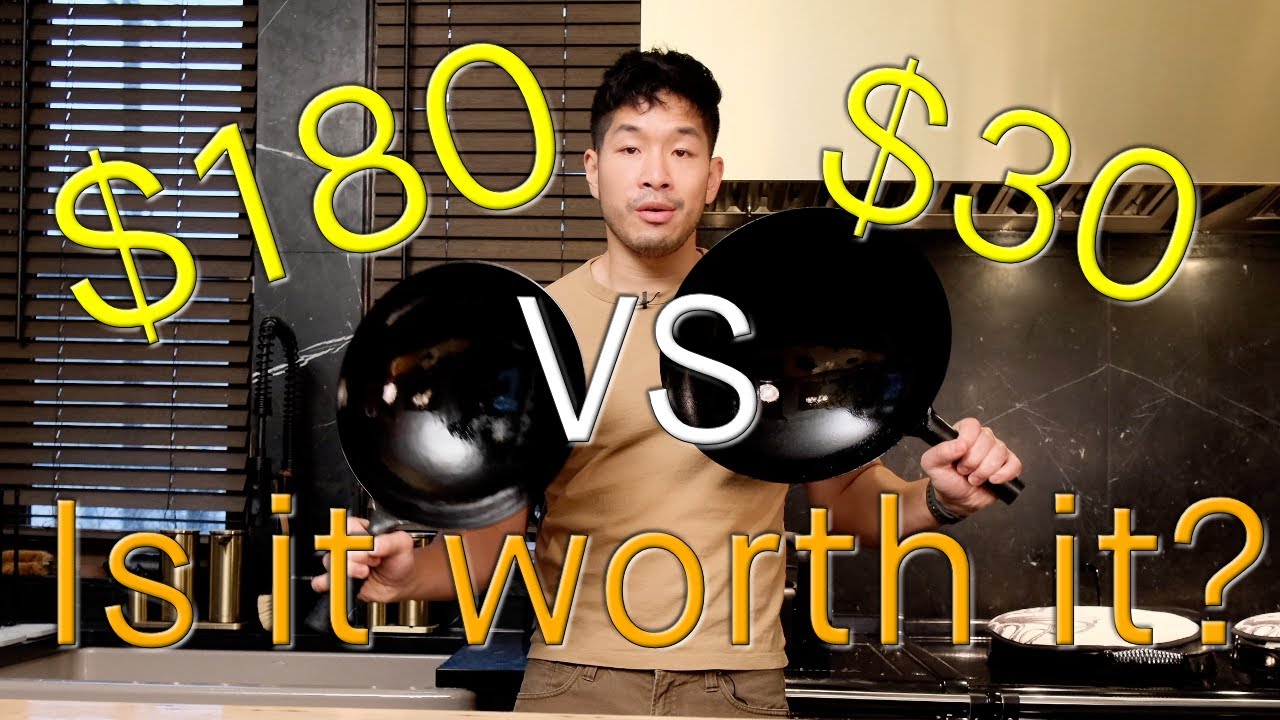
For natural characteristic - that may be, stir-frying at dwelling - there’s no desire to overspend unless aesthetics matter drastically or you’re looking heirloom-degree sturdiness with minimum preservation (enameled forged iron not ever necessities seasoning).
Side-via-edge summary
Here’s a instant contrast for clarity:
| Feature | Cast Iron Wok | Carbon Steel Wok | |------------------------|------------------------------|------------------------------| | Weight | Heavy (basically 6-10 lbs) | Light (2-4 lbs widely wide-spread) | | Heat Retention | Excellent | Good yet cools sooner | | Responsiveness | Slow | Fast | | Ease of Tossing | Difficult | Easy | | Seasoning | Builds straight away | Takes time | | Rust Resistance | Moderate (wants care) | Needs typical concentration | | Durability | High (if now not dropped) | High (can warp as an alternative) | | Cost | Moderate-excessive | Low-slight | | Versatility | Best for continuous warm projects | Best for top-warmth agility |
Choosing what works on your kitchen
Let’s distill this down into lifelike education:
If your stove has tons of potential and also you revel in deep frying or braising on the whole, forged iron offers unbeatable warm retention. If agility concerns - instant-fireplace stir-fries, consistent tossing, minimal wrist pressure - carbon steel shines. For electric or induction burners wherein flat stability is primary, look for flat-bottomed versions without reference to textile. If preservation concerns you, enameled solid iron requires less fuss since it doesn’t rust (however rates a long way greater). For those who value subculture and passing down cookware by generations, both can in shape the invoice if cared for properly.Tips from factual-global experience
Seasoning nicely is part the conflict with either trend: follow very skinny layers of prime-smoke aspect oil (flaxseed works well), warmness until smoking lightly, cool wholly between coats. Don’t skimp on air flow all the way through preliminary seasoning; open home windows if one could as fumes will likely be extreme.
Don’t expect perfection overnight with carbon steel - cussed sticking at the start is generic however fades after various weeks of use. A splash of water observed by way of lively boiling can loosen stuck-on bits with no resorting to harsh scrubbing.
If you do encounter rust spots on both model, make a paste from baking soda and water or scrub evenly with positive steel wool in the past re-seasoning that sector simply; there’s hardly ever want to strip the entirety returned unless corrosion is serious.
Final thoughts
The “forged iron wok vs carbon metal” debate isn’t approximately appropriate or incorrect yet about looking what fits your tempo of life, kitchen setup, and willingness to retain your instruments over the years. Having cooked countless numbers of ingredients on each sorts across the several stoves and kitchens extensive and small, I find myself reaching for carbon metallic once I crave agility and velocity on weeknights - yet I cherish my outdated solid iron wok when I’m simmering purple-cooked pork on lazy weekends with kinfolk collected round.
Each brings a thing detailed to the table: cast iron’s unyielding heat; carbon steel’s energetic responsiveness. Given ideal care and fair use, each will serve up limitless bowls of aromatic nutrition for years on end - smoky vegetables at some point, crispy dumplings the subsequent, each and every bearing the sophisticated signature in basic terms your arms can impart through the years.